This Is Why Worlds Songs Always Hit
Every year, Riot drops more than a song - they drop a ceremony. What if the reason Worlds anthems hit so hard isn’t hype, but the fact that they’re engineered to sound exactly like the climb we're all on?

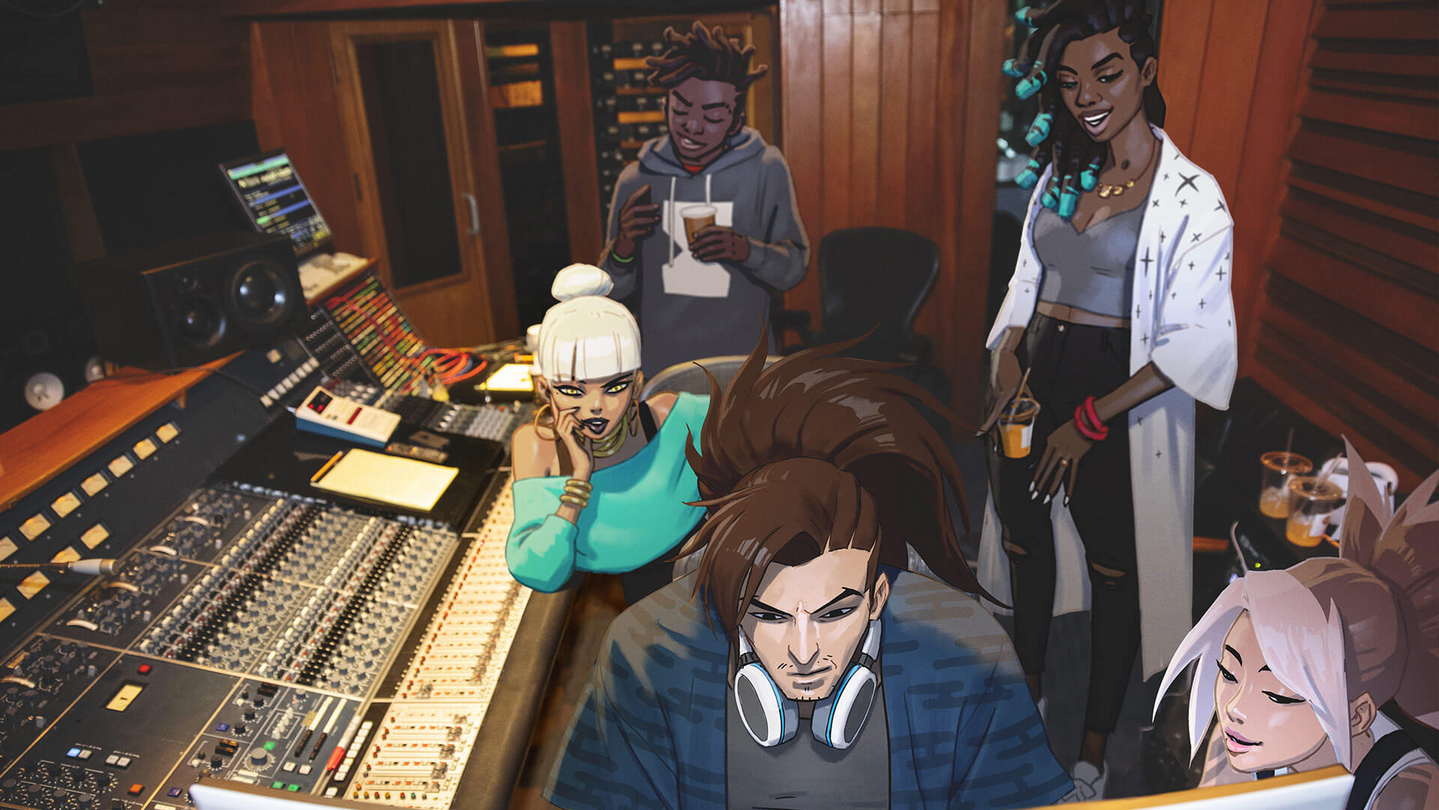
I started playing League in 2017. At that point, Worlds songs were just background noise. Big production. Cool visuals. I thought "wow, this is neat."
To be fair, I understood virtually nothing about the game at that point. I was still playing Varus mid - probably going 0-10 every game. Hadn't watched a single pro game either.
Then in 2018, the RISE music video changed everything for me.
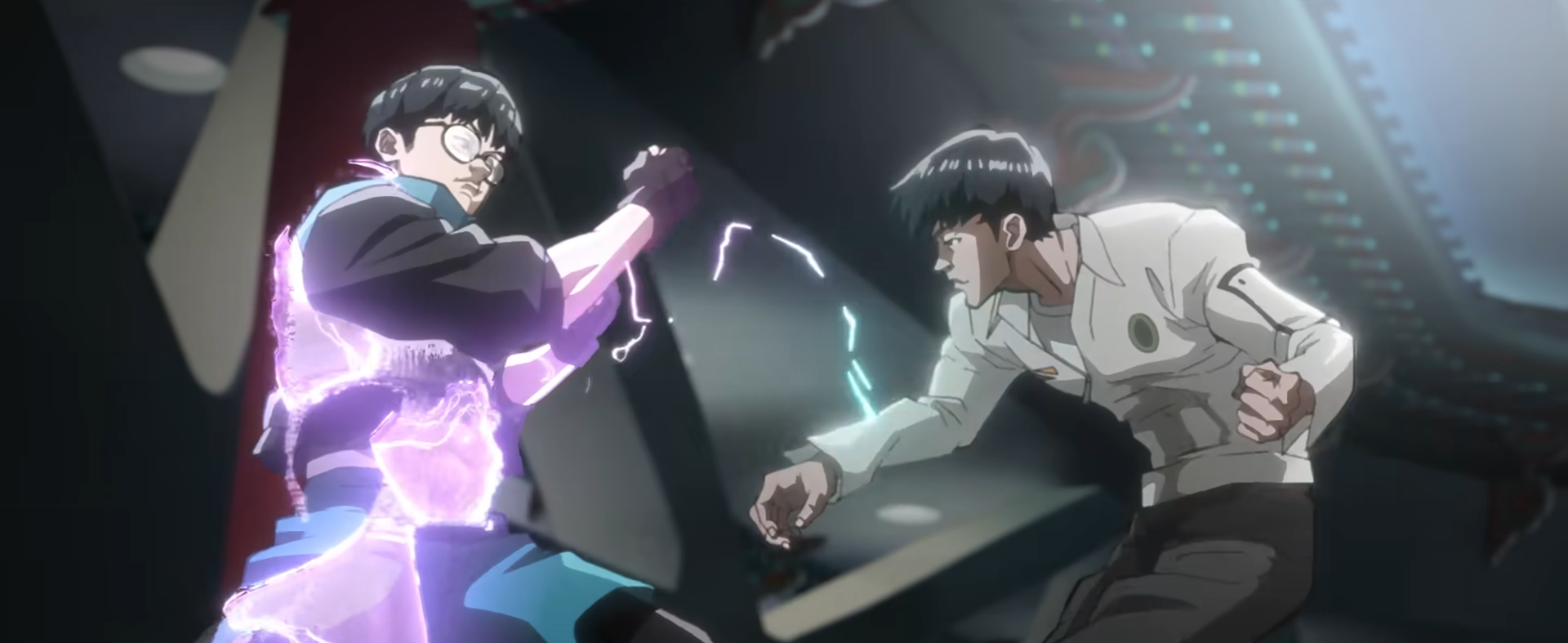
Faker emerges from a pillar - the mythical figure of the scene. The most dominant player in the game’s history. The kind of competitor people describe as superhuman. And he's portrayed as Ryze, a champion so intertwined with his identity that the two feel spiritually linked.
Across from him is Ambition - a veteran jungler who had spent years falling short. A player overshadowed by the dynasty Faker built. A competitor who had been chasing recognition for nearly a decade.
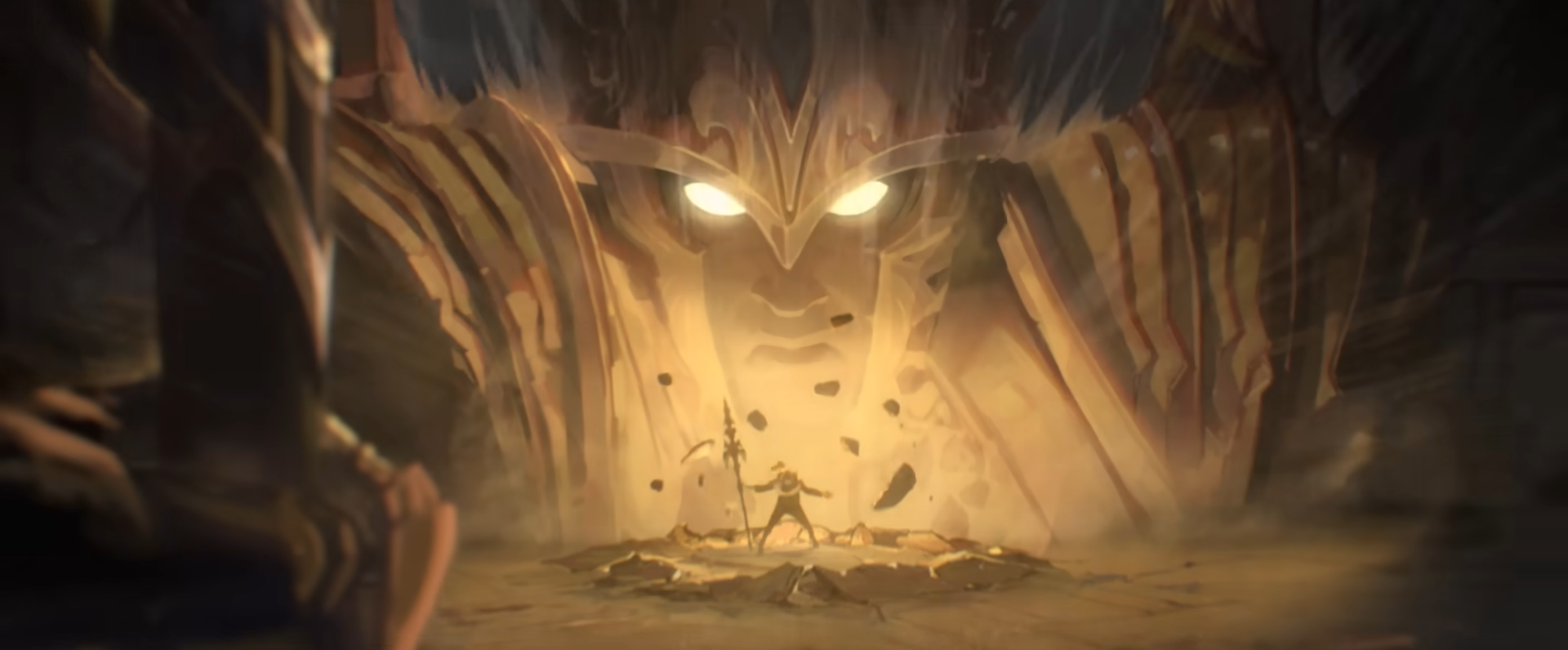
The music swells, tension stretches, and in Riot’s animated retelling, Ambition finally takes the crown.
It was so much more than a 'hype' scene for me, it was Riot creating mythos out of real players.
And for me - someone with big goals, big dreams, and an obsession with mastering craft - that moment hit as a human being before it hit as a player. It wasn’t about League. It was about what happens when years of invisible work force the world to acknowledge you.
That’s when I realized Riot doesn’t release songs for Worlds.
They release anthems.
Anthems, Not Songs
There is an important distinction between a song and an anthem, and Riot understands that difference better than most game developers understand music at all.
A song is written to be consumed individually.
It can live in your headphones, in the background of a workout, or on a playlist you revisit months later.
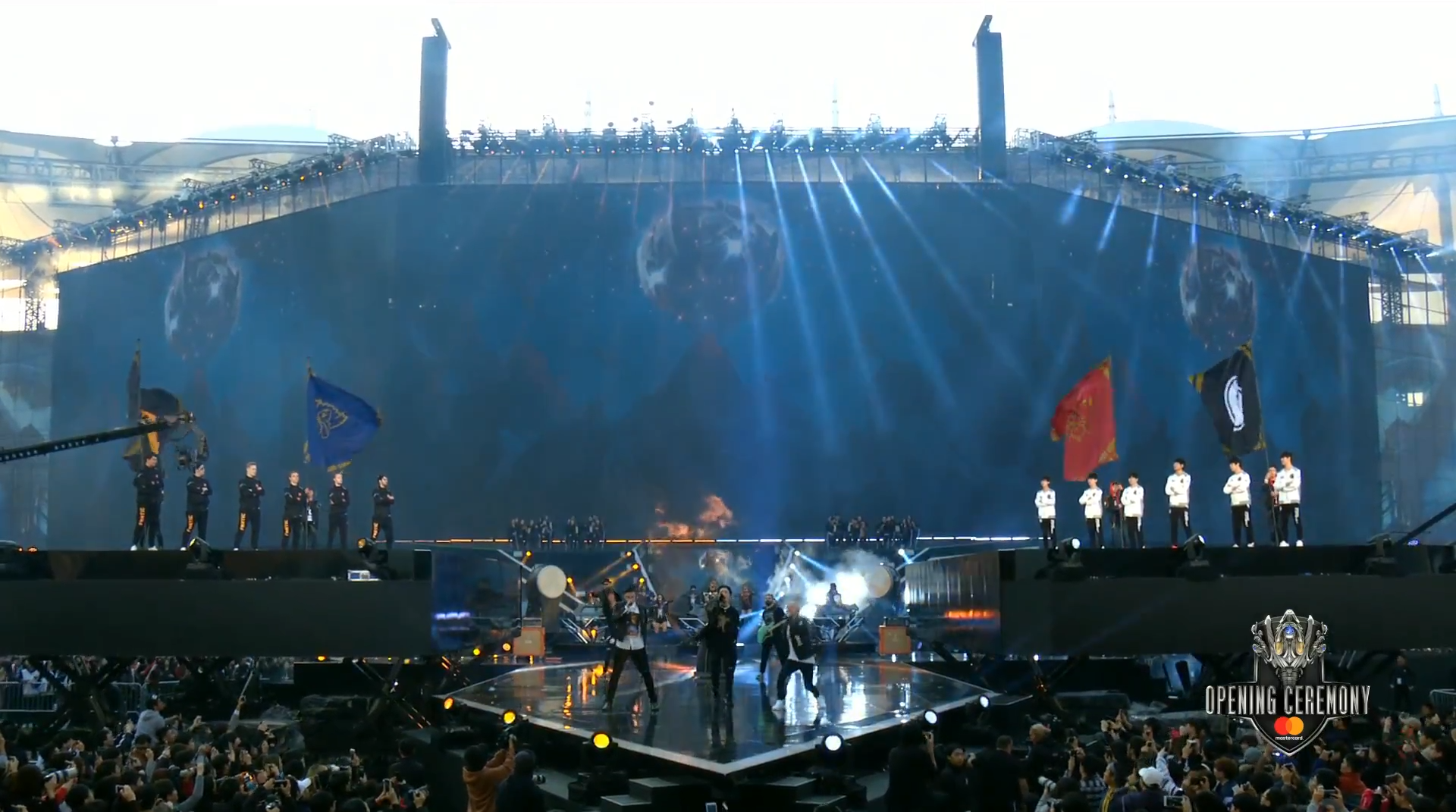
An anthem, however, is written to be experienced collectively. It is built for scale. It is designed to fill arenas, to echo through stadium speakers, and to be shouted back by tens of thousands of voices.
When you listen to Legends Never Die or GODS, what stands out is not simply the melody, but the architecture. The vocals are layered to feel MASSIVE. The percussion is engineered to sound expansive, almost cinematic. The choruses are written in a way that invites participation, as if the crowd is meant to become part of the composition.
These tracks are not structured like standard radio singles.
They are constructed like ceremonial openings.
Worlds itself is more than a tournament; it is Leagues’ defining cultural event. Riot treats it with the gravity of the Olympics, and the anthem functions as the point of ignition. It establishes tone, scale, and stakes before anyone loads into a match.
The reason these anthems work so consistently is not just because of production budget or celebrity collaborations. It is because they are built around a reliable emotional structure that mirrors the journey they are trying to represent.
The Sound of the Climb
Most Worlds songs are written primarily in minor keys.
Minor tonalities tend to evoke tension, urgency, and a sense of unresolved striving. They carry emotional weight in a way that major keys often do not. When a composition begins in a minor space, it immediately signals struggle.
That tonal foundation reflects the narrative Riot returns to every year:
The climb is difficult, the path is uncertain, and greatness is never guaranteed.
However, these songs rarely remain in tension. As they move into their choruses, the harmonic landscape widens.
- Instrumentation expands.
- Drums grow larger and more forceful.
- Vocals climb higher and sustain longer notes.
Even if the key doesn't fully shift to major, the arrangement creates a sense of lift and expansion that contrasts sharply with the restrained beginning.
It is this movement from tension toward release that generates the feeling of breakthrough.
The pre-chorus is where this design becomes especially apparent.
- Instruments begin layering on top of one another.
- Percussion intensifies and tightens.
- Vocals stretch upward in pitch, often sitting at the edge of resolution.
Then there is usually a brief suspension - a moment that feels like it is holding its breath - before the drop finally lands.
From a psychological standpoint, that suspended moment heightens anticipation and increases dopamine response. From a narrative standpoint, it mirrors something human.
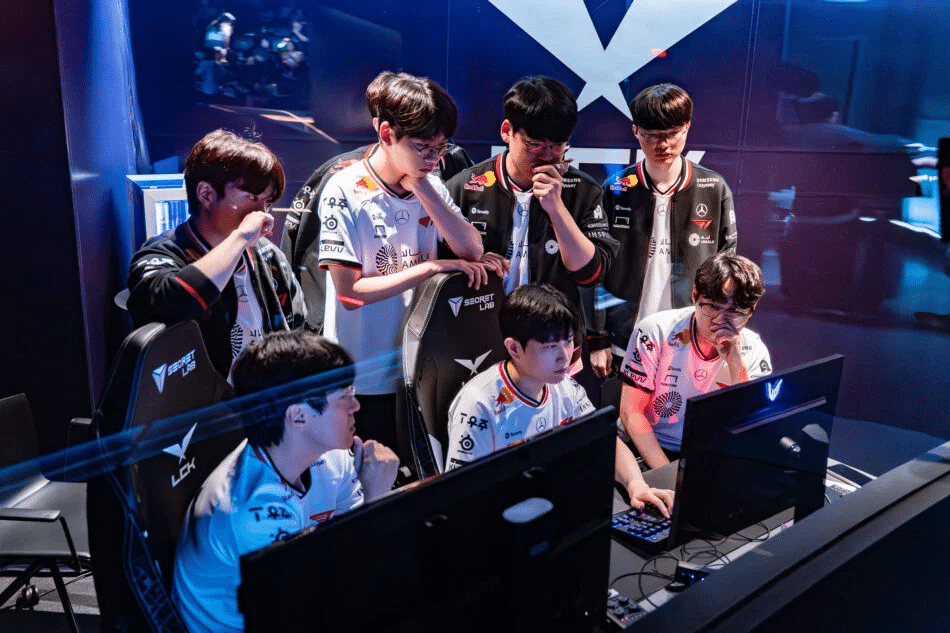
The build-up feels like years of scrims, endless solo queue sessions, and thousands of hours refining mechanics in obscurity. The drop feels powerful because it represents payoff.
For someone who has spent over fifteen years in martial arts, drilling techniques and chasing incremental mastery, that structure resonates on a personal level.
The anthem works because it sounds like what the climb feels like.
When the Formula Shifts
Understanding that structure also explains why certain Worlds songs feel different from others.
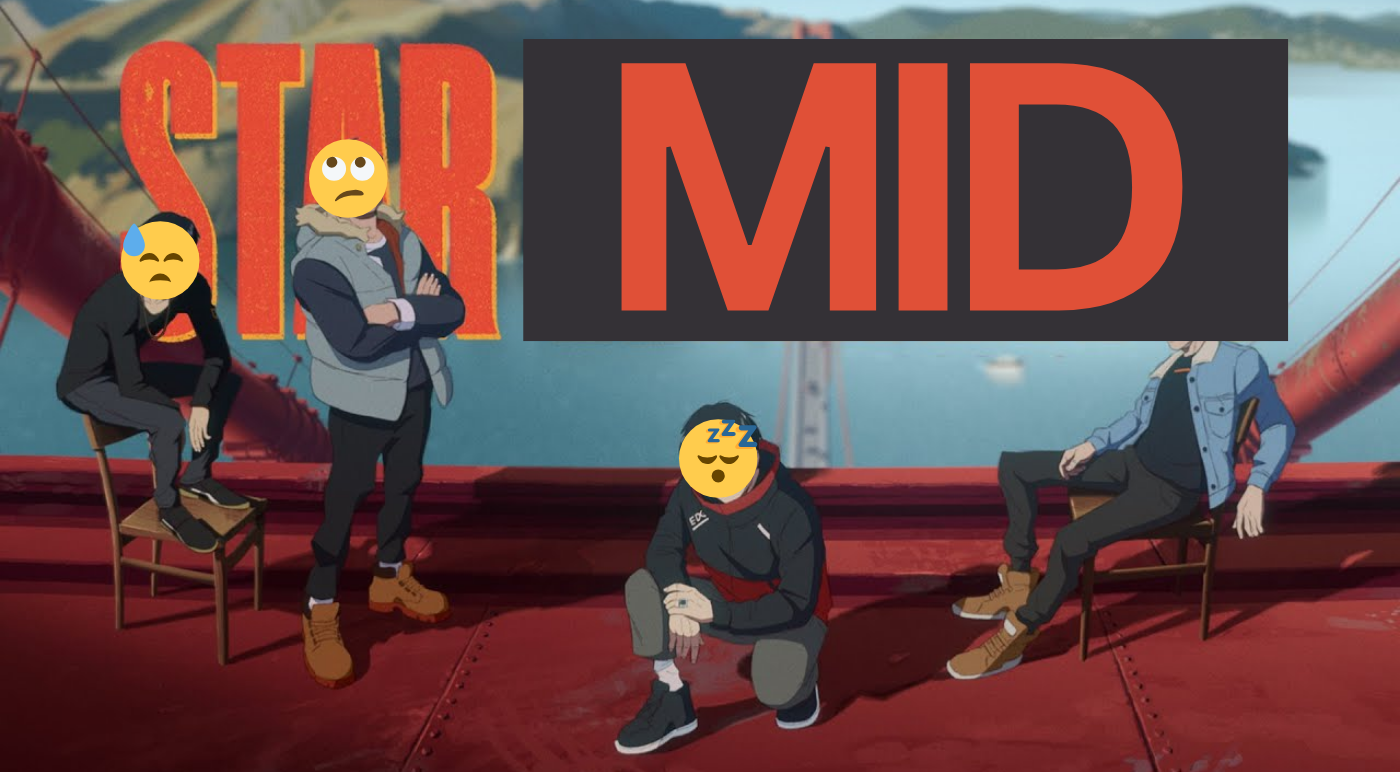
Consider STAR WALKIN'. The track was polished, catchy, and accessible. It broadened the audience and leaned more heavily into contemporary pop sensibilities than previous anthems.
The dynamic range was more restrained, and the final sections did not erupt with the same level of cathartic release that defines many earlier Worlds tracks. Instead of a sharp contrast between tension and explosion, the song maintained a more even plateau.
That doesn't make it a bad song. It just means it operated differently.
Worlds anthems thrive on dramatic swings: quiet to loud, restrained to overwhelming, tension to eruption. When that contrast is softened, the grandiose quality diminishes.
The track becomes more listenable in isolation, but it loses some of the ceremonial weight that defines the most memorable Worlds moments.
Why It Resonates So Deeply with Competitors
Beyond composition and arrangement, there is a psychological layer that explains why these songs hit harder for certain people.
Competitive personalities tend to identify strongly with narratives of struggle and eventual recognition.
One relevant concept is effort justification bias, the idea that we assign greater value to things that require significant sacrifice. Players who have invested thousands of hours into League don't hear these songs passively; they project themselves into the heroic journey.
There's also the phenomenon of narrative transportation, where individuals emotionally immerse themselves in a story. Riot’s music videos don't just display players; they frame them as archetypes. The 'fallen king'. The relentless veteran. The underdog who refuses to retire. The prodigy destined for greatness.
For people who've built their identity around improvement and mastery, those archetypes feel personal.
They validate the struggle. They suggest that relentless effort can culminate in a moment where skill becomes undeniable.
World's anthems are symbolic of the idea that - with enough effort - dreams CAN come true.
The Ritual of Hope
There is one final reason these songs endure.
They return every year.
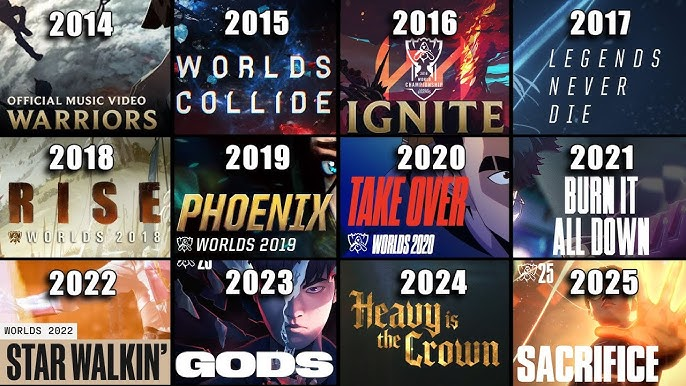
Each new Worlds anthem signals the beginning of a new chapter. New storylines emerge. New players join the scene. Former champions attempt to defend their legacies. The archetype remains constant, but the faces change.
That annual release functions like a competitive reset. It reignites belief. It reframes the tournament as a stage where anything is possible.
In a space that some still dismiss as “not a real sport,” that ritualized myth-making carries weight. Riot scores its players’ careers with orchestral builds and cinematic visuals. It treats their achievements as epic. It animates their rivalries like folklore.
When Faker reveals himself in RISE or when a long-time veteran is finally portrayed claiming his moment, the message is clear: this is a moment that mattered.
Worlds songs are powerful because they do more than hype a tournament, they immortalize effort.
They simulate the climb - and remind anyone chasing mastery that if you rise high enough, you can become legend.