
Men Don't Vent... They Queue
Men bond differently than people think - not through emotional confession, but through shared missions, problem-solving, and shoulder-to-shoulder experiences.

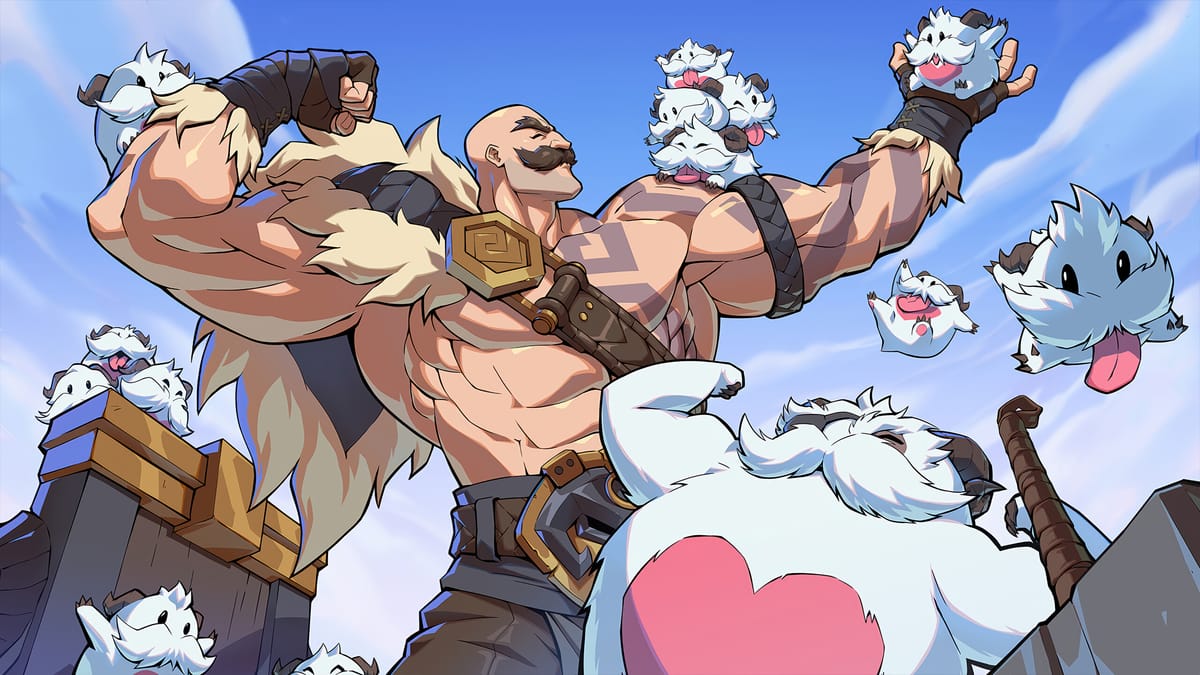
There’s a moment that happens to every man in his mid-20s.
You spend more time around women - dates, coworkers, friends - and you suddenly realize something profound:
You bond with women one way, and you bond with men in a completely different way.
With women, intimacy is often built face to face: talking, sharing, solving emotional problems, showing them the steady, dependable parts of yourself.
But with men?
Men bond shoulder-to-shoulder.
Through tasks. Through missions. Through solving problems together. Through shared suffering and shared victory.
After several years - and thousands of League of Legends matches - I realized how deep that difference runs.
Brotherhood Through Problem-Solving
The best moments I’ve had in League with my friends were rarely emotional in a traditional way. They weren’t heart-to-heart conversations about life or long confessions about how we were doing.
Our closeness showed up in more subtle forms:
- overcoming a tough matchup
- recovering from someone’s misplay
- laughing after a brutal stomp
- debriefing after a disastrous game
- pulling off a comeback none of us thought was possible
There’s something bonding about collectively wrestling a problem - even a digital one - with people you care about.
Winning feels amazing, sure. But solving something together is what creates the glue. And that’s the difference between how men bond and how everyone thinks men bond.
It’s not the victory screen. It’s the collaboration, the coordination, the sense of “you and I are in this together.”
That’s where intimacy lives for us. And no one teaches men this - it’s something we discover through experience.
Why Men Don’t Always “Open Up” - And Why It Doesn’t Mean They Don’t Care
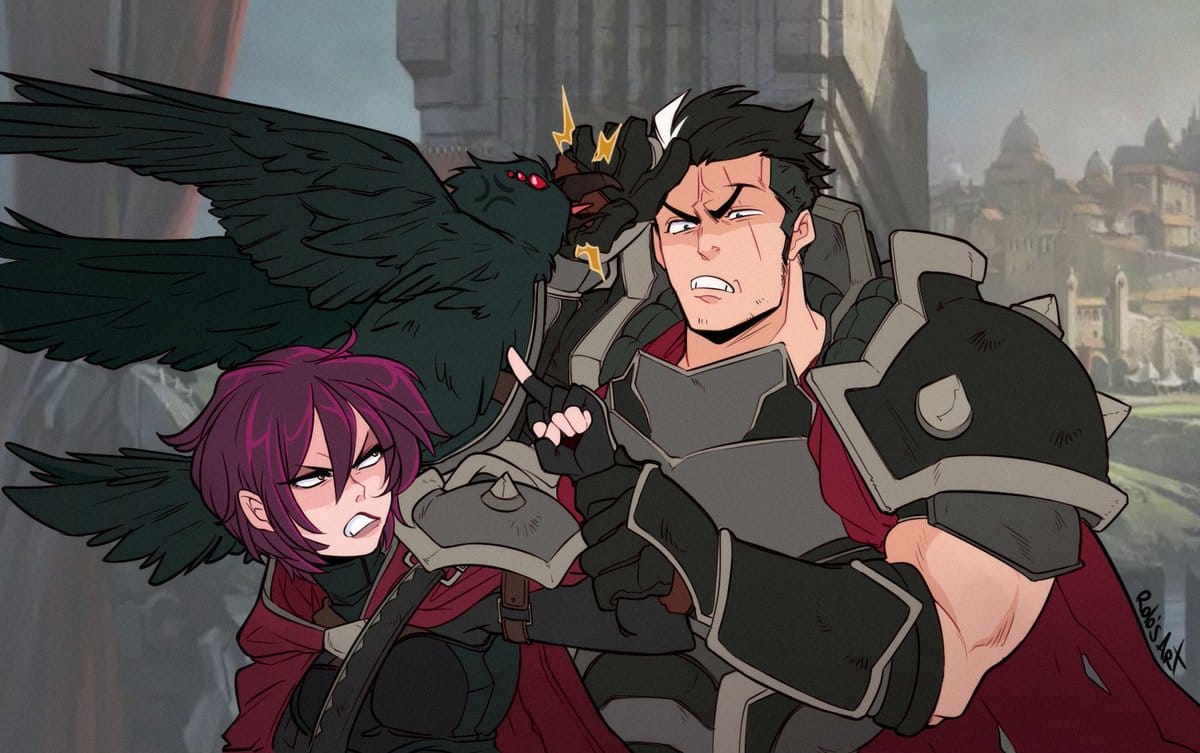
The stereotype says men don’t talk about their emotions.
Sure - sometimes that’s true. But the reason is misunderstood.
Men aren’t emotionally incapable. We’re just trained differently.
In mixed company, when a guy opens up, it can be met with scrutiny, judgment, or even quiet romantic disinterest.
In male groups, opening up might be met with humor, awkwardness, or uncomfortable jokes - not out of cruelty, but because most men were never taught how to respond to vulnerability.
So what do men do instead?
We show our care through action.
- Teaching a friend your favorite champion
- Coaching someone through laning
- Staying queued for “one more” when they’ve had a rough day
- Encouraging someone to go to the gym
- Helping a friend get out of a toxic relationship
- Giving life advice mid-load-screen
Action becomes the language. Support, the verb.
Men often express what they feel through what they do, not what they say.
League as a Microcosm of Modern Masculinity
League puts male dynamics under a microscope - the good and the bad.
The Good
- Teamwork → Men collaborating towards a shared goal
- Coaching → Men giving each other guidance as an act of care
- Hype → Men expressing love in the only socially safe way they were taught
- Problem-solving → Men bonding through strategic thinking
Honestly? It can even look healthy.
The Bad
But League also reveals the darker side of masculinity:
- Perfectionism (“one mistake ruined the whole game”)
- Ego (“I’m right, you’re wrong”)
- Blame culture (“gg jung diff”)
- Emotional avoidance
These traits don’t arise because men are fragile - they arise because men often believe their value comes from performance.
Lose performance → lose value → lash out.
It’s not an excuse. It’s a pattern.
And as you climb the ranks, this pressure increases. At higher levels, a small mistake really can cost the game.
Suddenly perfectionism isn’t ego - it’s a survival instinct.
Why Shoulder-to-Shoulder Bonding Works
Here’s the key...
Most men don’t bond through direct emotional conversation.
They bond through:
- shared missions
- parallel focus
- collective strategy
- synchronizing effort
- solving something difficult together
There’s no pressure to perform emotionally.
The task creates the container for closeness.
The structure makes the relationship feel safe.
The goal keeps everyone aligned.
In League, each match becomes a mini-hero’s journey. And men go on that journey best together, not face-to-face.
Why Male Friendships Feel Fragile

Here’s the paradox:
Male friendships often contain deep loyalty… but weak communication.
We’ll die for each other but forget birthdays.
We’ll help someone move at 7am but struggle to say “I’m proud of you.”
We’ll teach each other macro and micro but not how to process trauma.
We’ll joke about each other's gameplay but never admit how much we care.
The love is there. It’s just… indirect.
And that indirectness makes things feel fragile. If something breaks, men often don't know how to repair it.
Because the language itself is underdeveloped.
Healthy Masculinity Isn’t Soft - It’s Supportive
If I could rewrite masculinity using what I’ve seen in game lobbies and real life, it would look like this:
Healthy masculinity means pushing your friends toward their goals - not through domination, ego, or criticism, but through structure, encouragement, accountability, and honest guidance.
It means:
- knowing when to challenge
- knowing when to reassure
- knowing when to coach
- knowing when to listen
- knowing when to hype
- knowing when to joke to break tension
- knowing when a friend needs “one more game” before the real conversation happens
It means seeing your friends not just as teammates - but as men trying to win their own battles in real life, too.
If anything, League doesn’t create male closeness. It reveals it.
It shows how men operate when they feel comfortable, aligned, and united.
Five people. One goal. Shoulder to shoulder. That’s where male friendship lives.