On Zaahen & Preserving Meaning Through Sacrifice
A good sacrifice isn’t about death - it’s about choosing something that could not exist otherwise and paying the full cost for it. Xin Zhao understood that, and that understanding is why this moment is so great.

Fantasy has always understood something we struggle to articulate in real life:
not all victories are equal.
Some wins leave the world intact.
Some wins feel empty.
And then there are wins that hurt - wins that cost something irreplaceable - and those are the ones that linger.
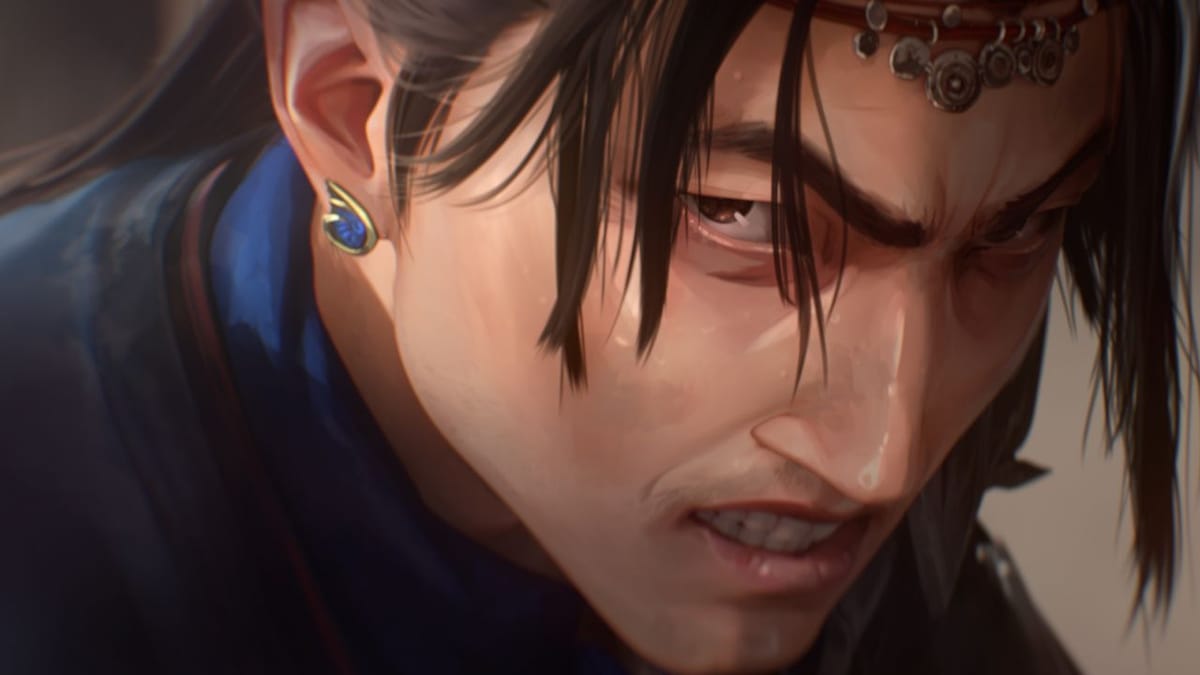
This is why the recent Xin Zhao and Zaahen story resonates so strongly. Not because it’s shocking. Not because a champion “dies.” But because it presents a sacrifice that succeeds only because it could not have worked any other way - and because something meaningful is preserved rather than erased.
Our Reverence for the Grand
People often say fantasy fans “romanticize sacrifice,” but I think that misunderstands the appeal.
What fantasy audiences actually have is a reverence for scale – for actions proportional to the stakes of the world they inhabit. When the threat is cosmic, the response must be mythic. When the danger is existential, the answer cannot be small.
~ J.M. Barrie
At its core, this is tied to a very human desire: we want our lives to mean something. Not just in comfort or longevity, but in consequence. We want to believe there exists a greater purpose strong enough that giving everything for it would still make sense.
We still believe that some things are worth everything.
That belief doesn’t come from naïveté. It comes from absence.
Modern life offers very few moments where meaning is monumental or permanent. Most purpose is fragmented. Most sacrifice is incremental and invisible. And so when fantasy presents a choice that is irreversible - a moment where a character can no longer retreat, or be restored - it satisfies a deeper psychological hunger: the idea that, if pressed, a life could be given wholly in service of something larger than itself.
We don’t just want heroes to win.
We want victories that cost something real - because cost is what transforms existence into meaning.
The Context: An Impossible Problem
At the center of this story is an impossible constraint.
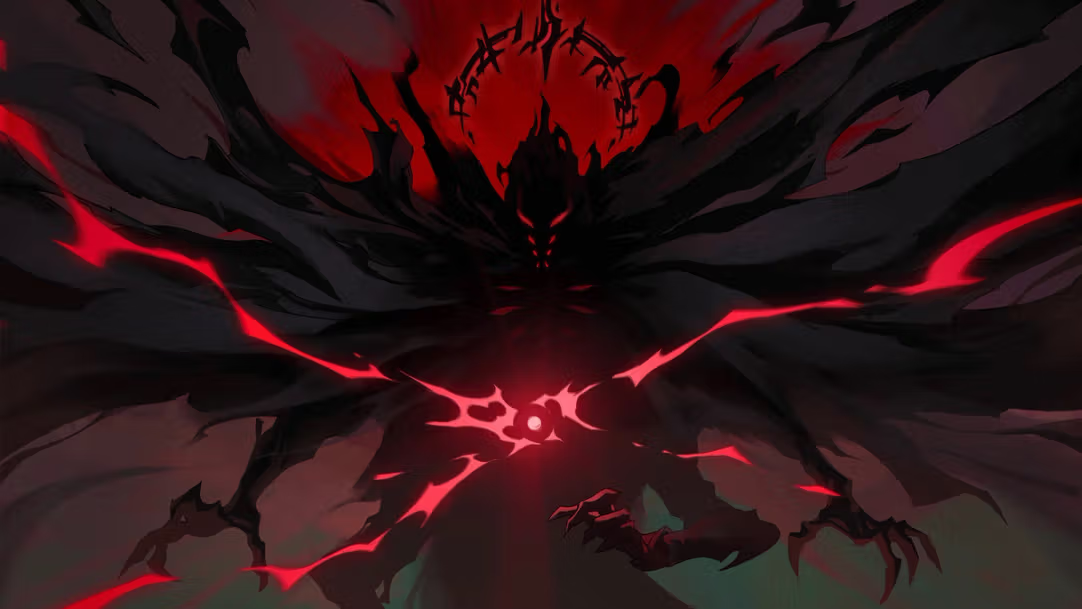
Atakhan cannot be stopped by force alone.
Zaahen, sealed within his glaive, cannot act without a host.
And mortals who wield Darkin weapons are inevitably consumed.
There is no clean solution.
Xin Zhao realizes something crucial in the moment that matters: victory is still possible, but survival is not. There is no bargain where everyone walks away.
No tactic that preserves his body, his future, or his place in Runeterra.
The only variable left is meaning.
So he makes the only move that changes the outcome at all: he offers himself.
Not out of despair - but out of clarity.
Choice Is What Keeps It Sacred
Yes, Xin Zhao was manipulated. The visions, the pressure, the timing - none of it is clean. But manipulation alone does not negate agency. What defines the moment is that Xin understands the cost before he pays it.
Zaahen tells him what will happen.
He does not hide the price.
He warns him.
And Xin chooses anyway.
That choice is the difference between tragedy and sacrifice.
A sacrifice is not good because someone dies.
A sacrifice is good because the person dying understands what they are giving up - and decides it is worth giving.
Xin Zhao doesn’t stumble into annihilation. He steps into it.
Passing Something Forward
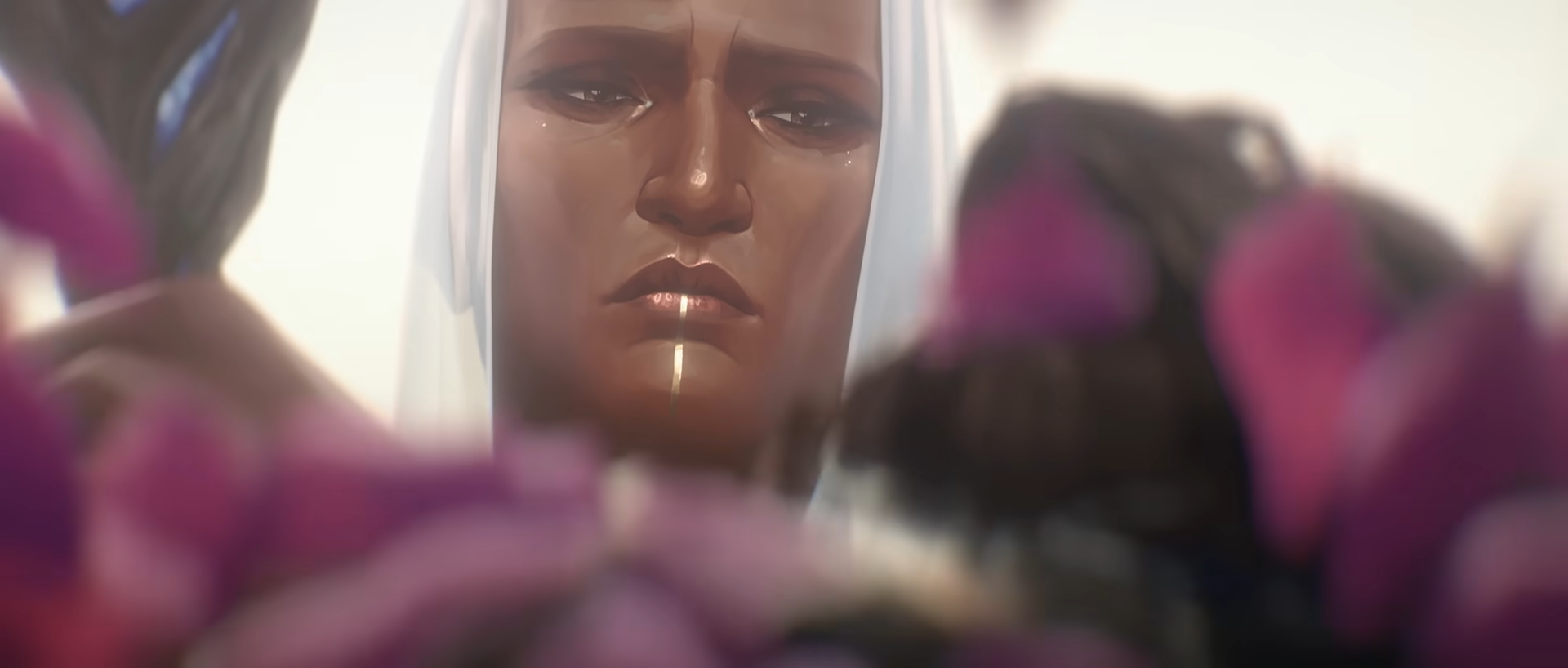
It’s important that Xin Zhao does not “die” in the conventional sense.
His soul is destroyed, yes - final and irreversible - but the story carefully avoids framing this as erasure. Instead, it presents something closer to transference.
Xin passes on:
- His will to fight for a world that cannot repay him
- His restraint - the refusal to rule through fear
- His belief that power must be held responsibly
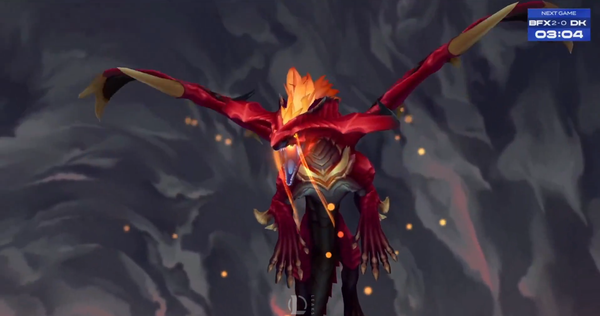
Zaahen doesn’t merely wear Xin Zhao’s body. He inherits something human.
This is where the sacrifice preserves meaning rather than simply winning. Atakhan is defeated - but more importantly, the method of victory does not transform Zaahen into what he hunts. Xin’s will becomes a stabilizing force inside a being constantly threatened by corruption.
Runeterra moves on, desperately clinging to its values - and Riot makes this explicit through Zaahen himself.
Again and again, his voice lines frame victory not as conquest, but as restraint. “Through noble purpose, we regain ourselves.” “Corruption tears at the edge of my mind, taunting, tempting.” “The lure of madness will not shake me from what must be done.” Even after accepting Xin Zhao’s body, Zaahen speaks like someone still fighting an internal war.
This is what makes the sacrifice matter. Xin does not merely give Zaahen power - he gives him resolve, anchoring a Darkin who actively resists becoming what history says he must become.
Why We Need These Stories
Many fantasy sacrifices fail because they are ornamental.
A character dies dramatically, but nothing truly changes.
Or resurrection cheapens the cost.
Or the death exists only to motivate someone else.
Xin Zhao’s sacrifice avoids all three traps.
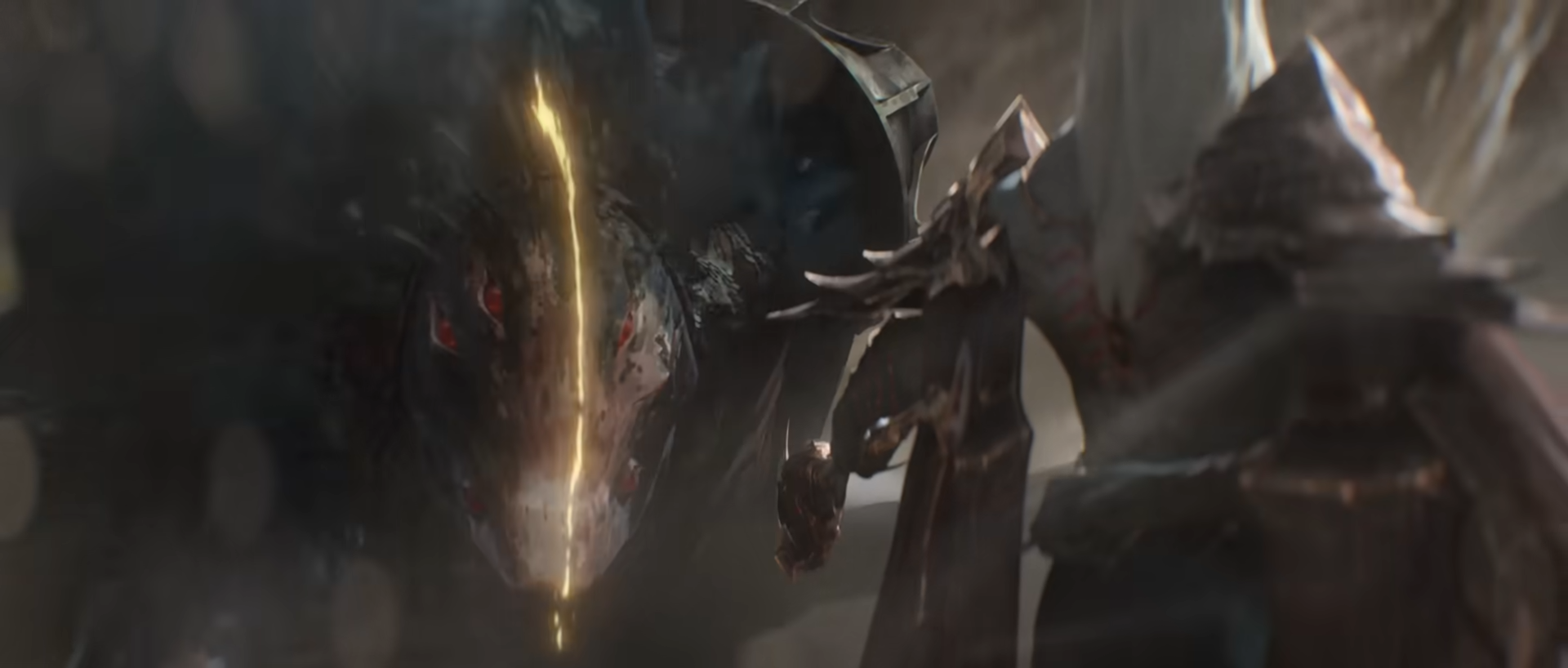
- It achieves something that literally could not happen otherwise
- It permanently alters the state of the world
- And it leaves behind something active - not just grief, but direction
Zaahen does not mourn. He carries Xin forward.
That continuity is what elevates the act from spectacle to substance.
There is a reason this resonates so deeply with fantasy audiences.
We are drawn to stories where sacrifice is rare but decisive, because our real world often asks for endless sacrifice that feels meaningless. Small losses, constant compromise, effort without resolution.
Fantasy reminds us of an older idea:
that if something must be given up, it should matter.
That loss should protect something worth having.
Xin Zhao’s choice doesn’t romanticize death. It affirms that some futures are only possible when someone accepts being unfinished.
What Really Makes a Good Sacrifice?
The story doesn’t let us off cleanly.
Xin Zhao shouldn’t have had to do this.
The world is shaped in such a way that noble people are often cornered into impossible choices. Power structures remain intact. Manipulators survive.
The sacrifice doesn’t fix the system.
But that doesn’t make the act hollow.
It makes it honest.
A good sacrifice is not about suffering.
It is not about spectacle.
It is not about earning applause.
A good sacrifice:
- Achieves something that cannot be achieved otherwise
- Preserves meaning rather than simply winning
- Transfers values forward instead of letting them die
Xin Zhao understood that the world would go on without him - and decided that it should go on better, even if he couldn’t be part of it.
And that is why this moment works.
Not because it is tragic.
But because it is complete.